The Attack the Networks Operational Course (ATNOC) Gathers 21 Attendees from 8 Nations

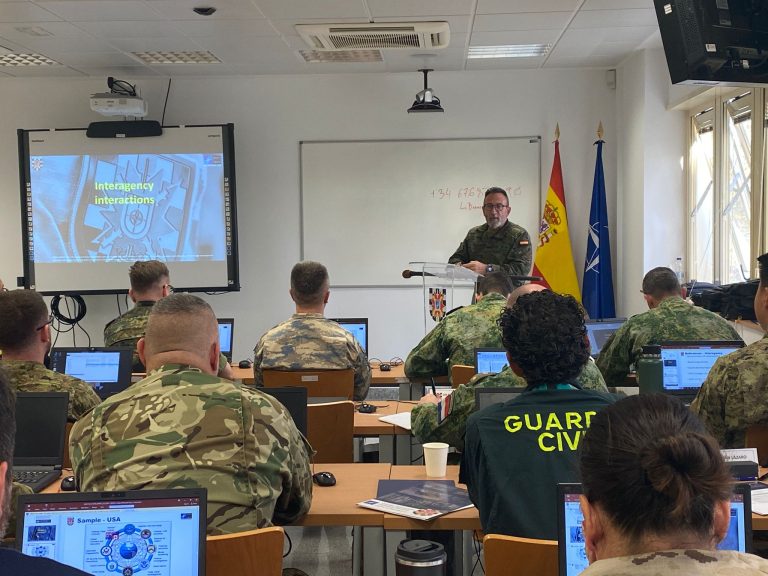
OF-4 Jose Rufas, the Attack the Network Branch Chief, giving a block of instruction

From 18 to 29 November, the Counter-Improvised Explosive Devices Centre of Excellence (C-IED COE) conducted a new iteration of its Attack the Networks Operational Course at its headquarters in Hoyo de Manzanares, Madrid.

The course was officially opened by the Centre’s Deputy Director, U.S. Army Colonel Christopher Bartos, and brought together 21 participants from the armed forces and law enforcement agencies of eight different nations.

This latest edition introduced updated content and a refreshed format, offering a multidisciplinary approach to counter-IED operations. The instruction was structured around the core principles of the Attack the Networks methodology, which is built on four key steps: situational understanding, analysis of human networks, engagement planning, and effects assessment.

Through this framework, participants learned to identify and analyze human networks by developing a comprehensive understanding of the operational environment. The course emphasized both lethal and non-lethal options for engaging networks, as well as methods to assess the impact of such actions in order to reduce the IED threat in theatre.

The training combined theoretical instruction with practical application. A series of exercises set in fictional scenarios allowed attendees to apply concepts in a realistic setting, encouraging the exchange of experiences, discussion of best practices, and collaborative problem-solving.

This course continues to contribute to NATO’s collective capability to counter the threat posed by improvised explosive devices by empowering professionals with the tools and knowledge to disrupt and dismantle adversary networks effectively.

The Attack the Networks Operational Course (ATNOC) gathers 21 attendees from 8 nations

C-IED COE Web Site
Privacy Overview

This website uses cookies so that we can provide you with the best user experience possible. Cookie information is stored in your browser and performs functions such as recognising you when you return to our website and helping our team to understand which sections of the website you find most interesting and useful.